
How to write a construction RFI that gets a fast, useful answer
Most RFIs come back slow, vague, or with another question attached. A few habits, and the right context up front, turn a week-long loop into a same-day answer.

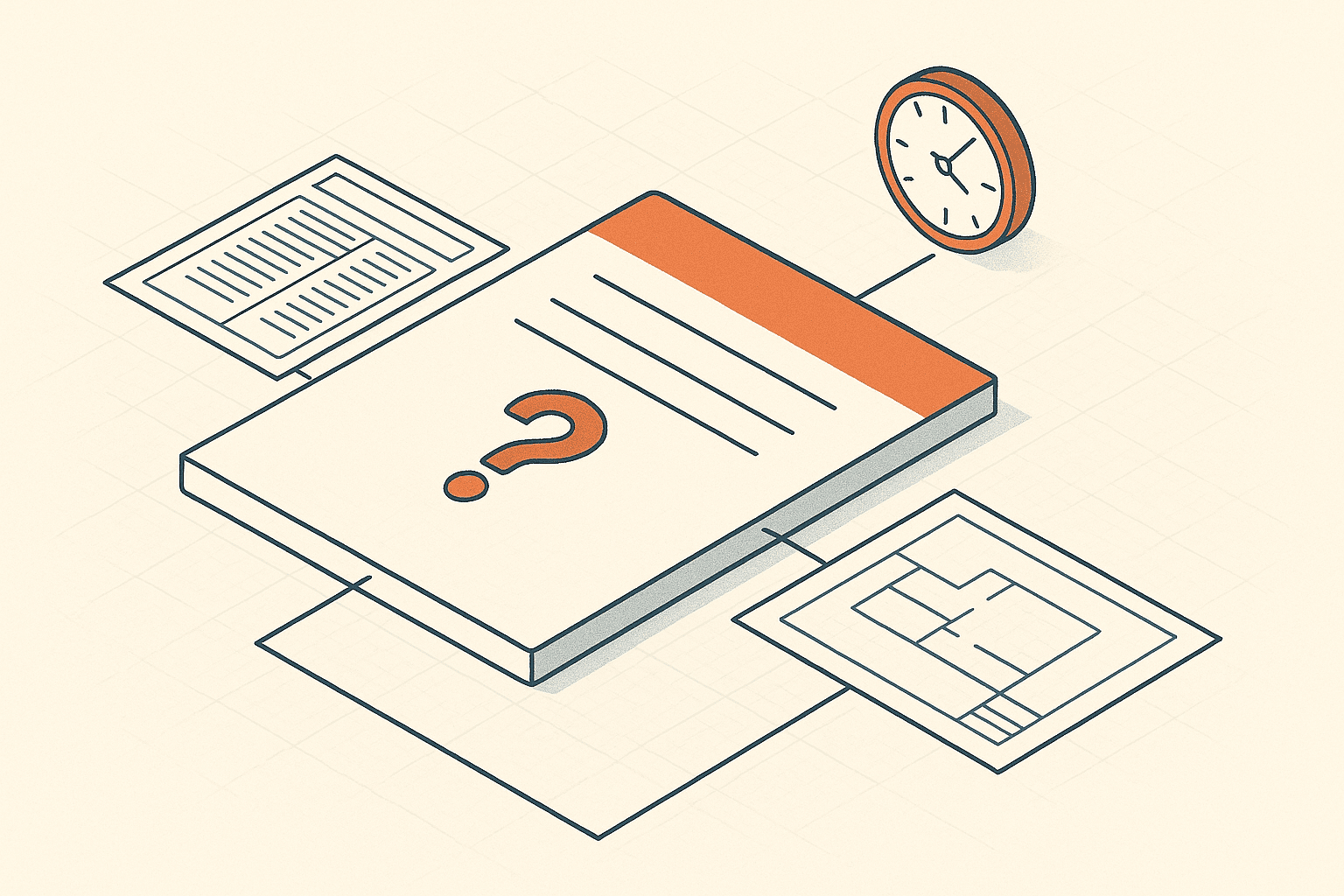
An RFI is supposed to unblock you. Too often it does the opposite. It goes out, it sits, and a week later it comes back as "please clarify" or "refer to architect," and you are no further along, except now the programme is tighter.
The good news is that the difference between a slow RFI and a fast one is almost entirely in how it is written. Here is what consistently gets a same-day, usable answer.
Ask exactly one question
The biggest cause of slow RFIs is bundling. Put three questions in one RFI and it cannot close until the slowest of the three is resolved, and the record becomes a mess to track. One question, one RFI. It feels like more admin. It is dramatically faster in practice.
Cite the exact documents, including the revision
"There is a conflict in the drawings" makes the reviewer do your homework. Instead, name the spec section, the drawing sheet and detail, and the revision of each. The person answering should be able to open exactly what you are looking at without a single follow-up. Half of all "please clarify" responses really mean "I could not tell which documents you meant."
State the impact, then propose an answer
Two short additions change the whole dynamic. The first is impact: "this holds the level 3 slab pour, currently scheduled Tuesday." That sets priority honestly and helps the reviewer triage. The second is a proposed answer: "we intend to proceed with the spec'd product unless advised otherwise." Now the reviewer can simply confirm, which is far quicker than writing a decision from scratch.
Do not raise an RFI for something the documents already answer
A surprising share of RFIs ask a question the contract documents already settle. The asker just had not found it. Before you raise one, do a quick cross-reference. Does the order-of-precedence clause sort it out? Does another spec section cover it? This is exactly the kind of "has this already been answered across the set?" check that document-intelligence tooling is good at, and every RFI you do not have to raise is days saved.
What to do next
Take your next outgoing RFI and run it through this list. One question. Exact references with revisions. Impact. Proposed answer. It takes two extra minutes to write and routinely saves days of waiting.
If your team raises enough RFIs that the cross-referencing itself is the bottleneck, see how Alloovium answers "is this already in the documents?" across your whole project at once.
Reference
Frequently asked questions
Written by
Works with construction teams to put document intelligence to work on real projects. Writes about where AI actually moves the needle on site and in the back office.
See it on your set
Run Alloovium across your own contracts, specs and drawings.
Upload a project and watch it read, cross-reference and cite across the whole document set, and flag what conflicts.
Book a demoDiscussion
Comments
More dispatches
Keep reading
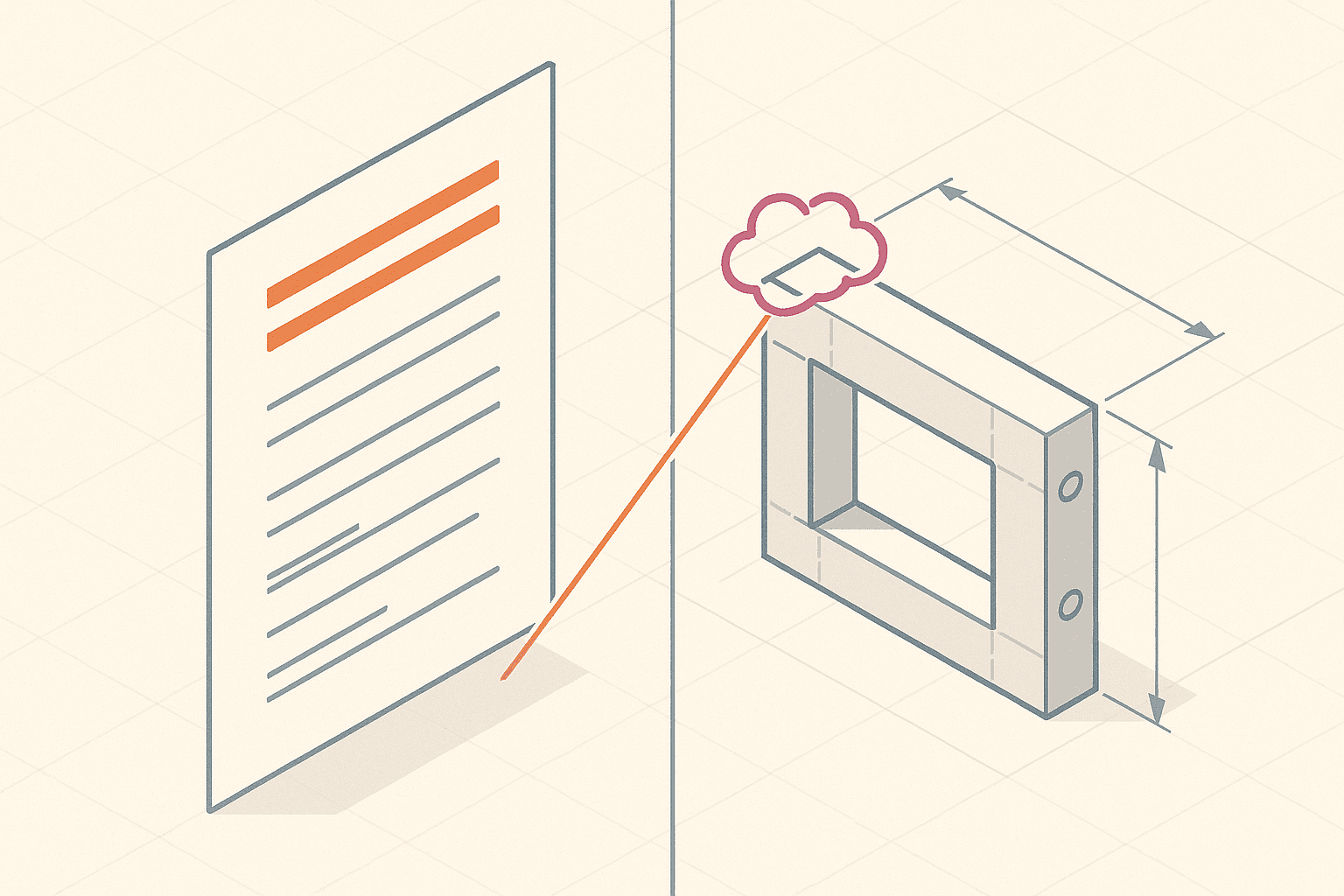
How do you catch conflicts between specs and drawings?
Conflicts between the spec and the drawings are one of the most expensive sources of rework on site. Here is where they hide, why people miss them, and how to find them before they cost you.
 CieloJune 18, 2026 · 3 min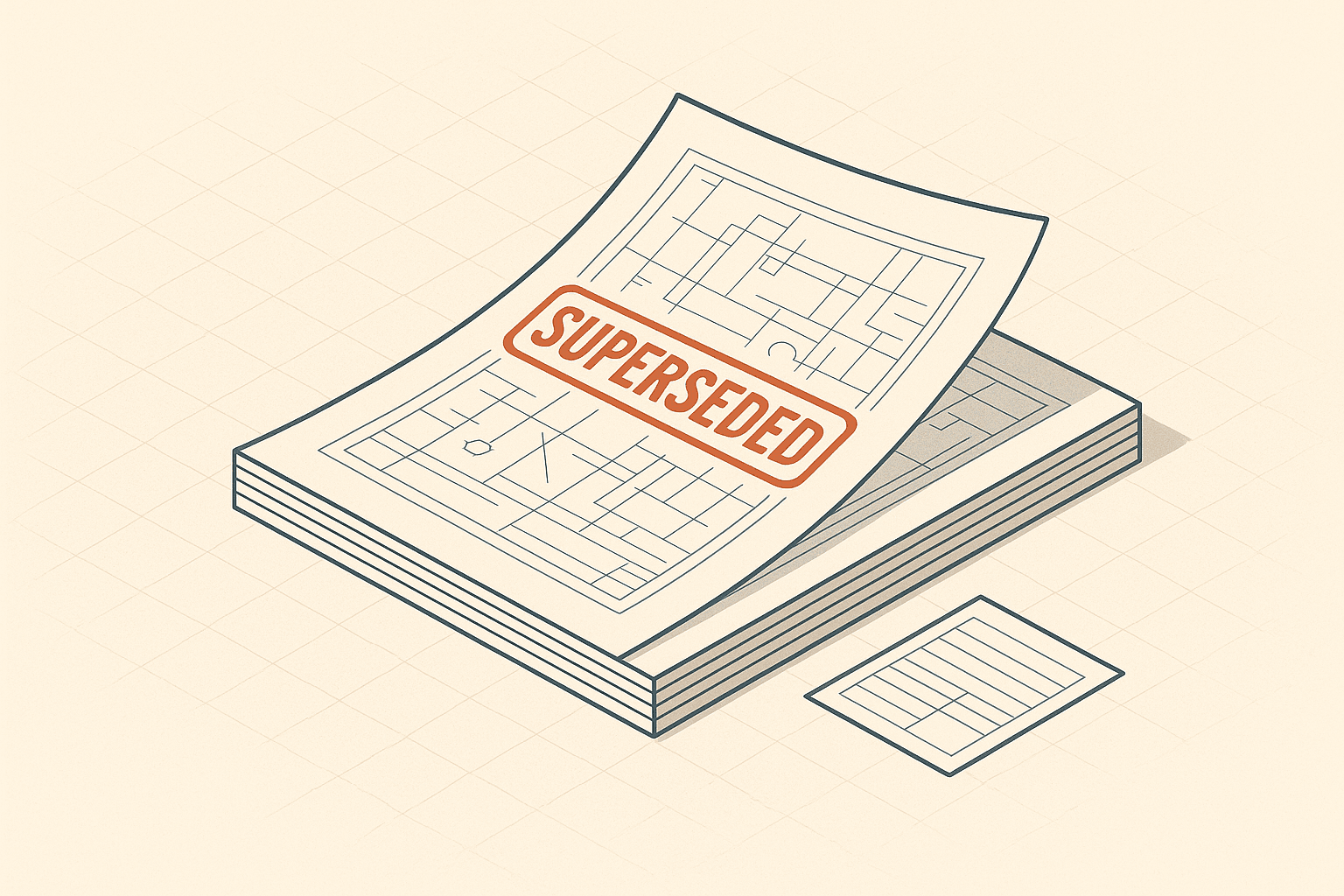
How do you stop your crew from building off a superseded drawing?
Building from an out-of-date drawing is one of the most expensive mistakes on site, and one of the most preventable. Here is the revision-control discipline that keeps everyone on the current set.
ZanderJune 15, 2026 · 3 min